Does not meet space constraints
No existing product really takes into account the drain, plumbing, or diversity of furniture.
The space therefore remains underutilized, poorly adapted, and rarely optimized.
What can be an optimized space for the under the sink storage ?
Our goal for this project was to move away from the initial brief, which focused heavily on product design, and instead put the user, their needs, fears, and expectations first in order to propose a solution that would change their habits in the kitchen.
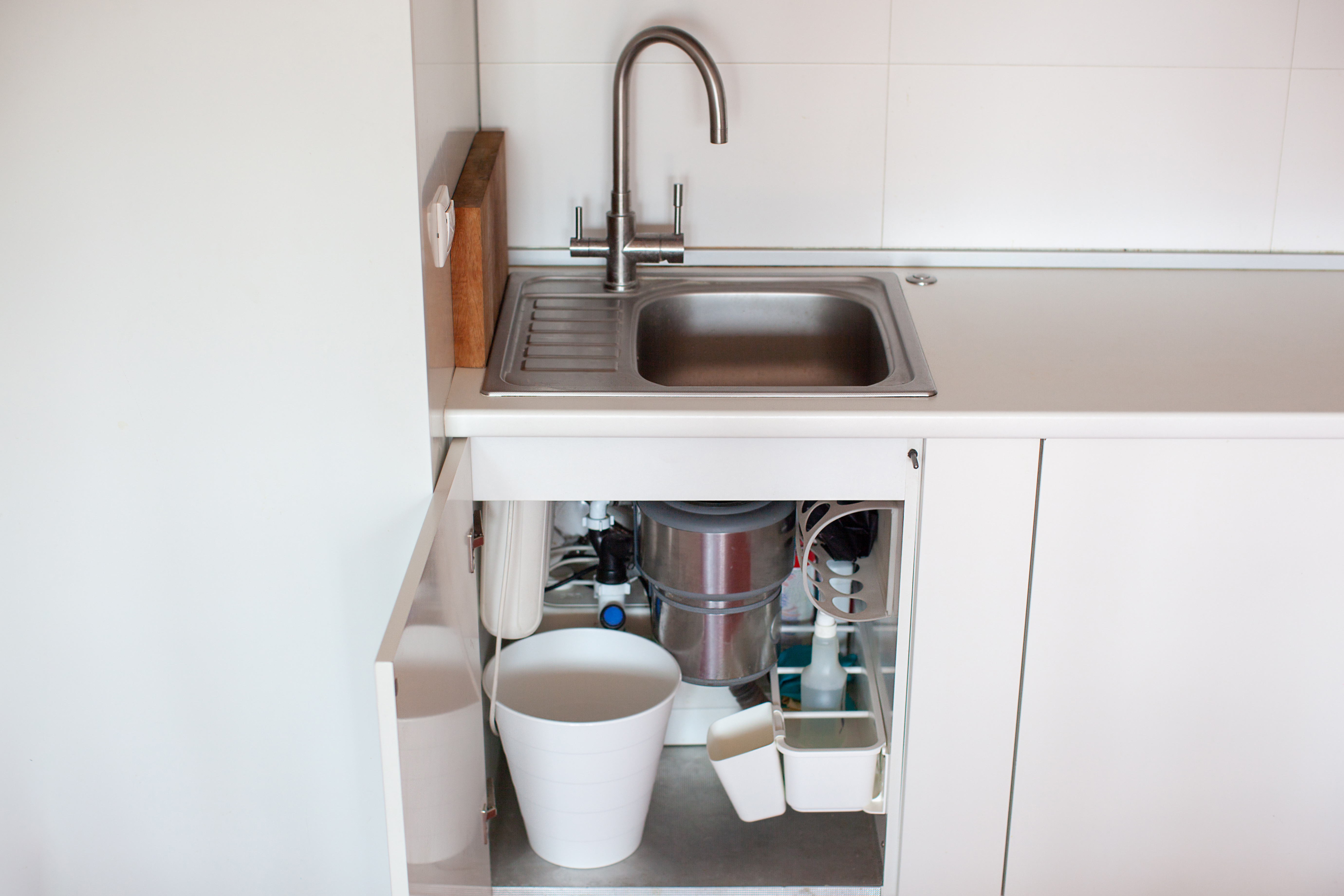
The space under the sink is often misunderstood. Many consider it dirty, damp, and unhygienic.
However, this space is now clean and is only used to store cleaning products or trash cans for fear of using it for other purposes.
The space is rarely cleaned, is disorganized, and therefore causes users to lose a significant amount of storage space in their kitchen.
How can we help them reclaim this space?
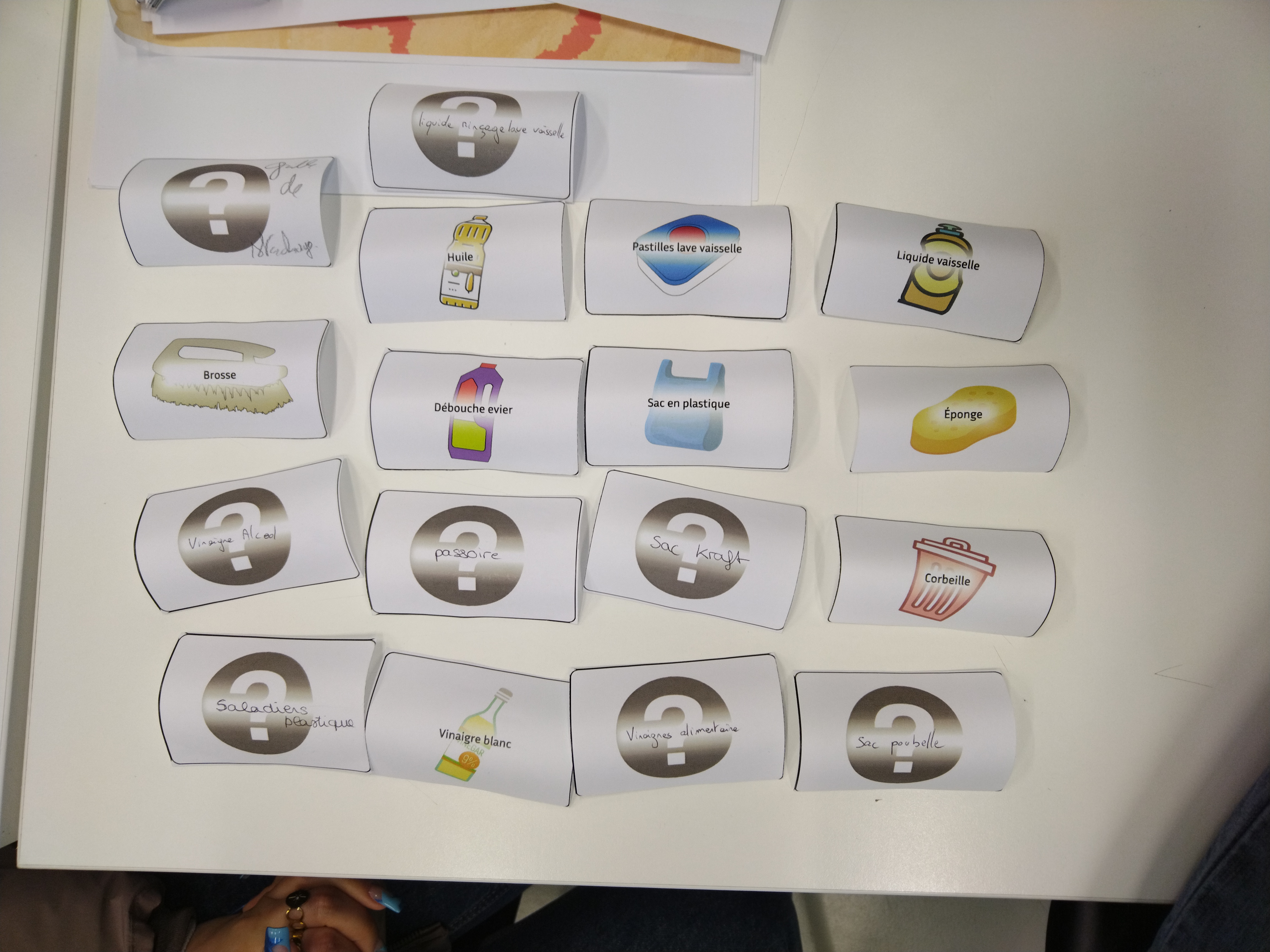
I organized card sorting workshops with our users to determine what they stored under their sinks, how they stored it, and how to classify items in order of importance.
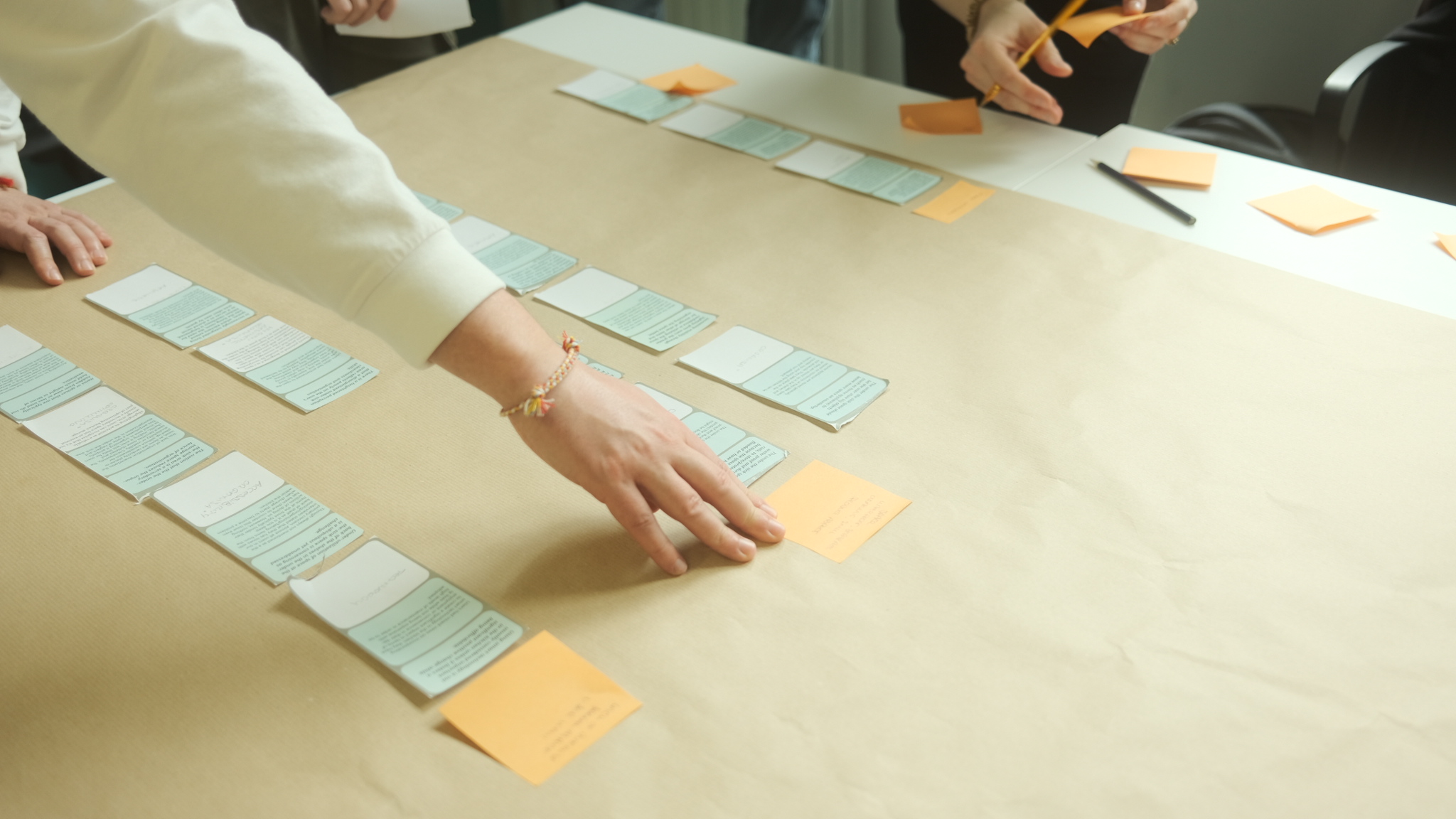
I have also planned a card sorting workshop with my team to classify our insights.
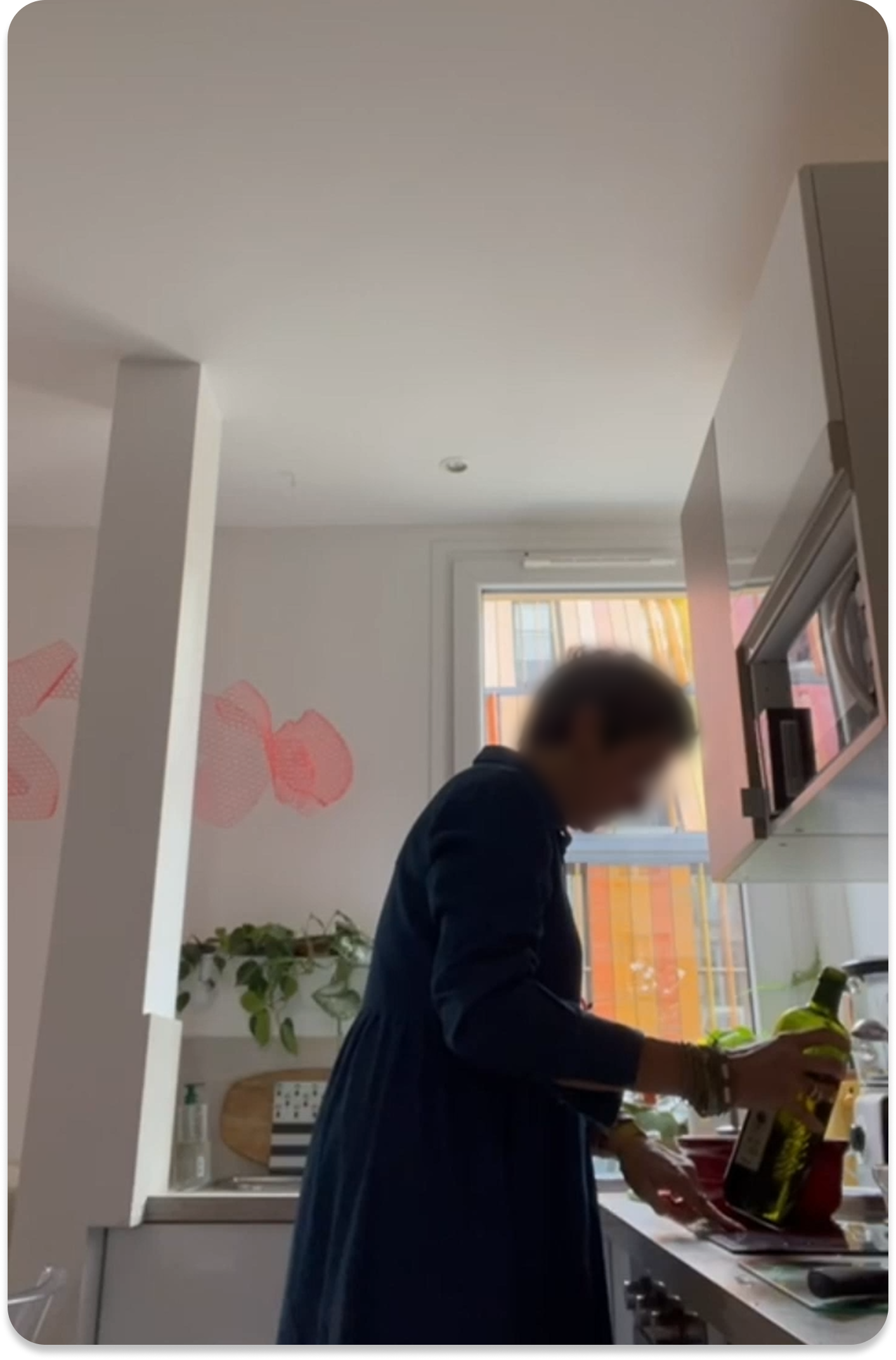
Finally, we interviewed our users and organized a shadowing session to observe their habits in the kitchen.
No existing product really takes into account the drain, plumbing, or diversity of furniture.
The space therefore remains underutilized, poorly adapted, and rarely optimized.
The visible drain trap, the fear of moisture, dirt, and potential intervention in the event of a leak create a "bad," even repulsive atmosphere.
This atmosphere encourages disorder and lack of maintenance.
Users all think that this space is "naturally" disorganized and impossible to improve.
They therefore abandon any attempt at sorting or organizing it.
Its discreet nature allows it to conceal unsightly activities (waste, compost, dirty water, etc.) while also serving as a place for interaction (cooking, family time, education).
Untapped potential for creating uses consistent with new household habits.
Current ideals (zero waste, KonMari, open kitchens) contrast with the under-sink, the only "dirty" space that is tolerated, revealing a gap between values and reality.
Between variations in dimensions, siphon obstacles, and very different uses, only a highly adjustable solution will suffice.
Adaptability must be integrated from the design stage onwards.
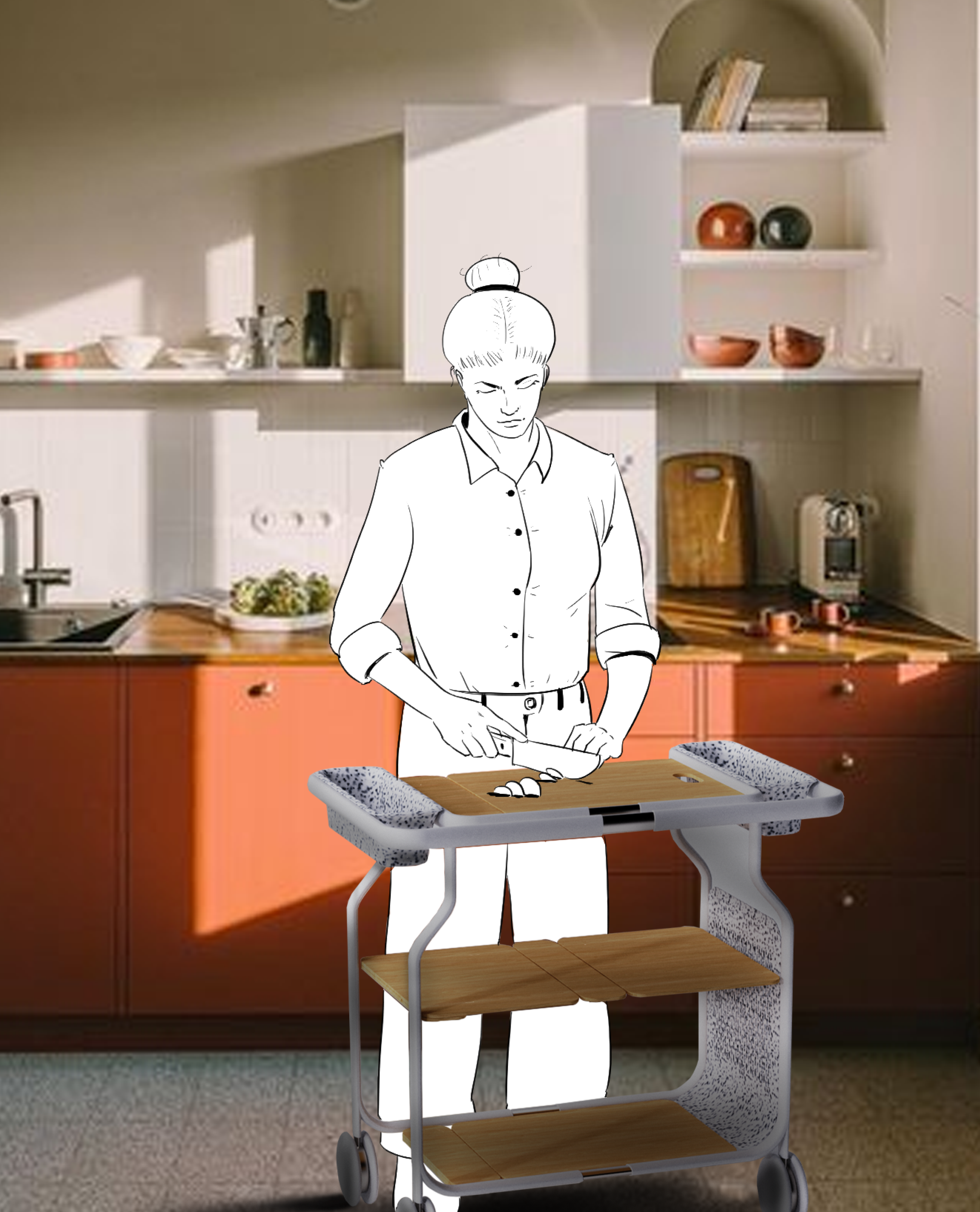
30 yo, sensitive to zero-waste values, sustainability, and trends
She wants:
She therefore represents a user who is:
Brief precision :
Many homeowners perceive the under the sink area as disorganized and secondary. Therefore how might we design an organizational solution that brings interest and highlights the untapped potential of the space. So that they can be more organized and fully maximize the space within ?
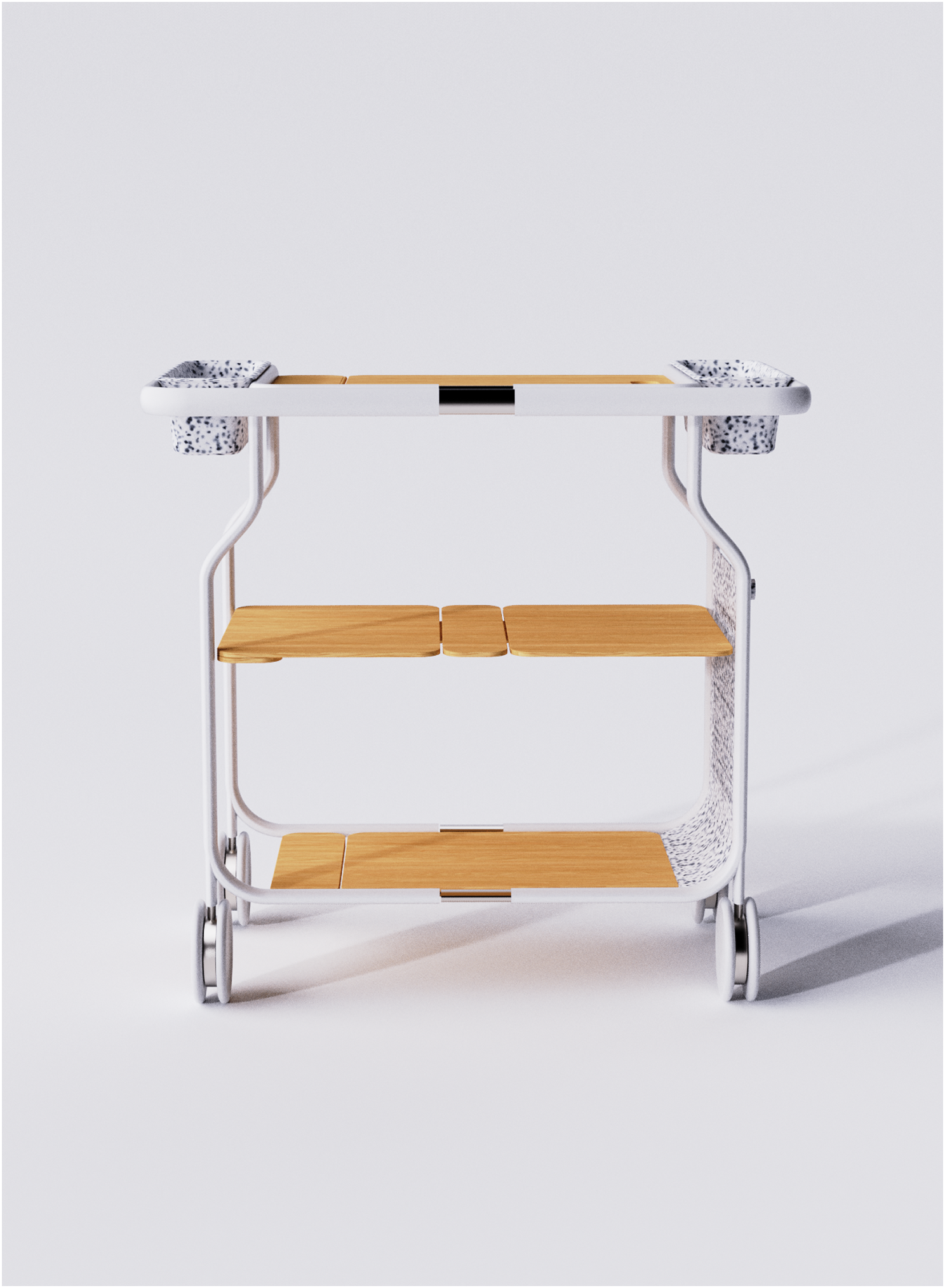
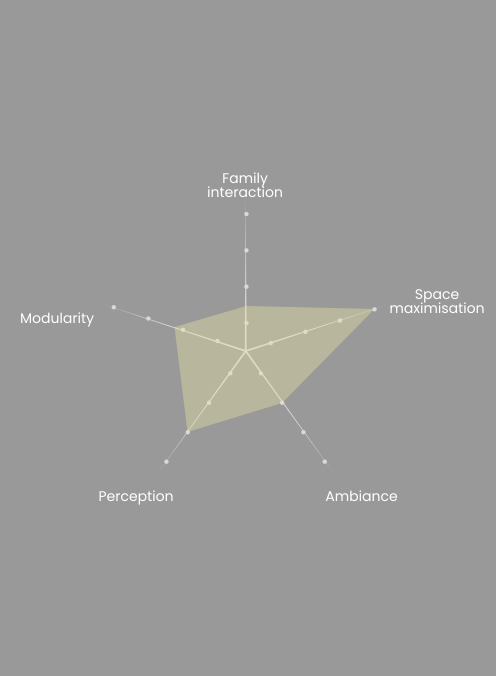
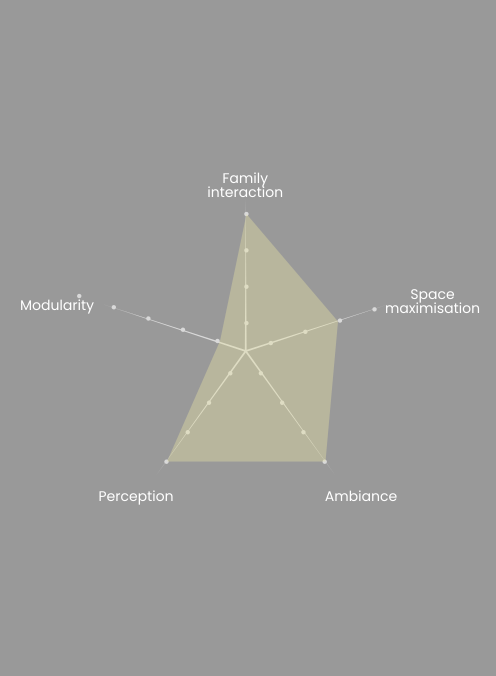
Axe 1
Modularity
Storage Island
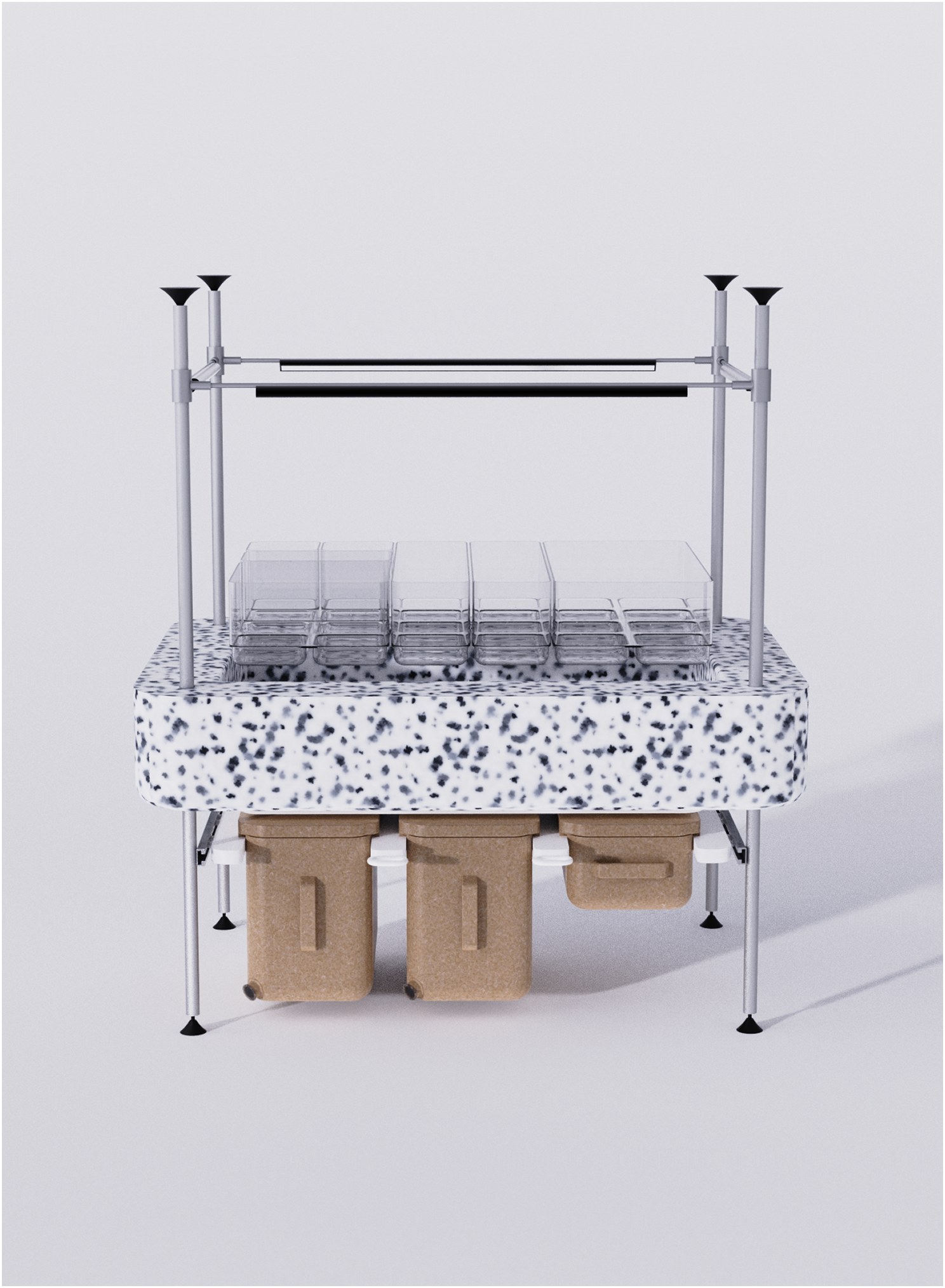
Axe 2
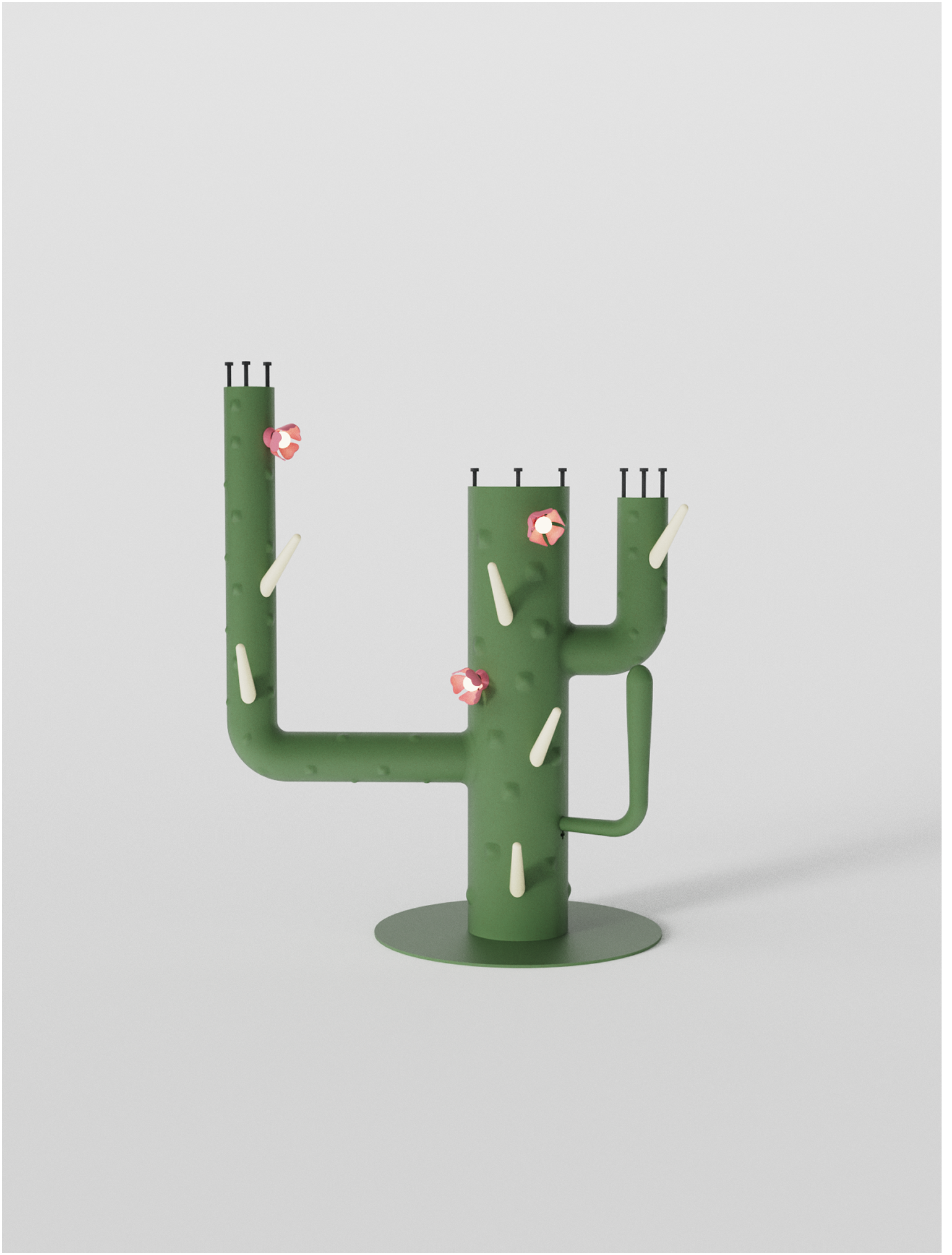
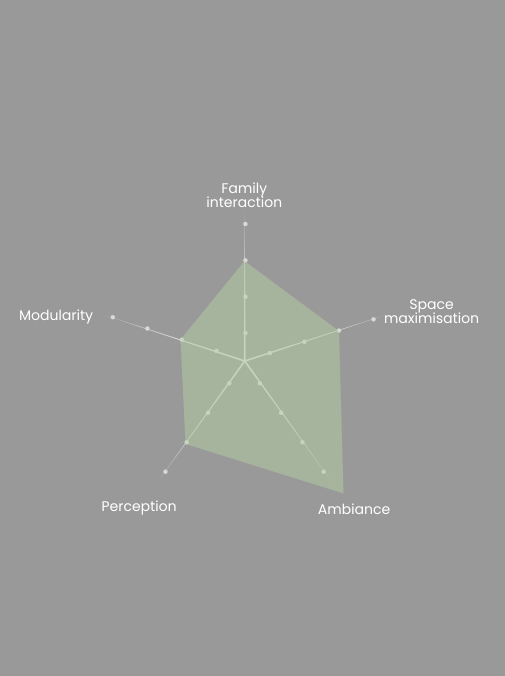
Ambiance
Circular composting
Axe 3
Family interaction
Tokimeku "Spark joy"
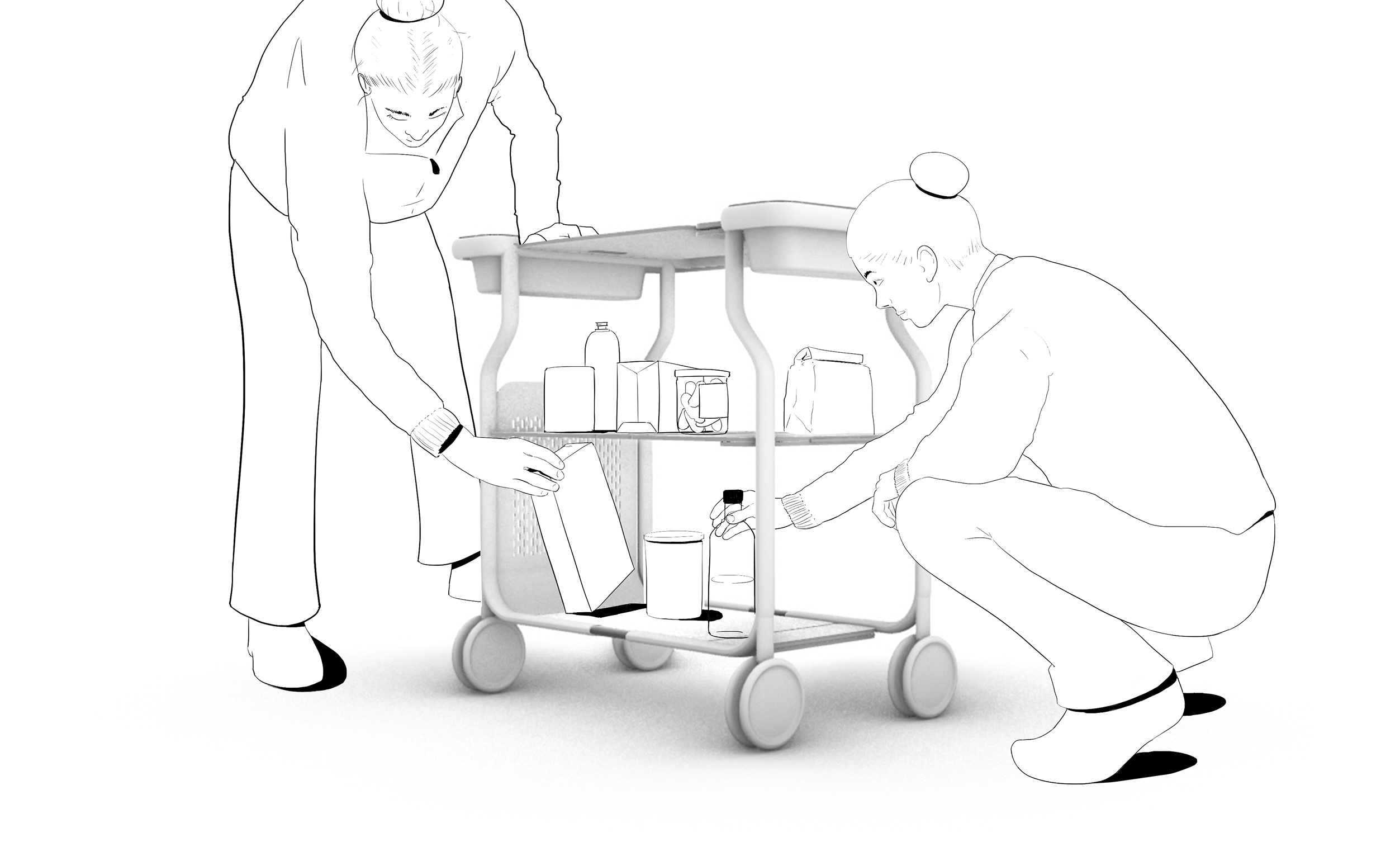
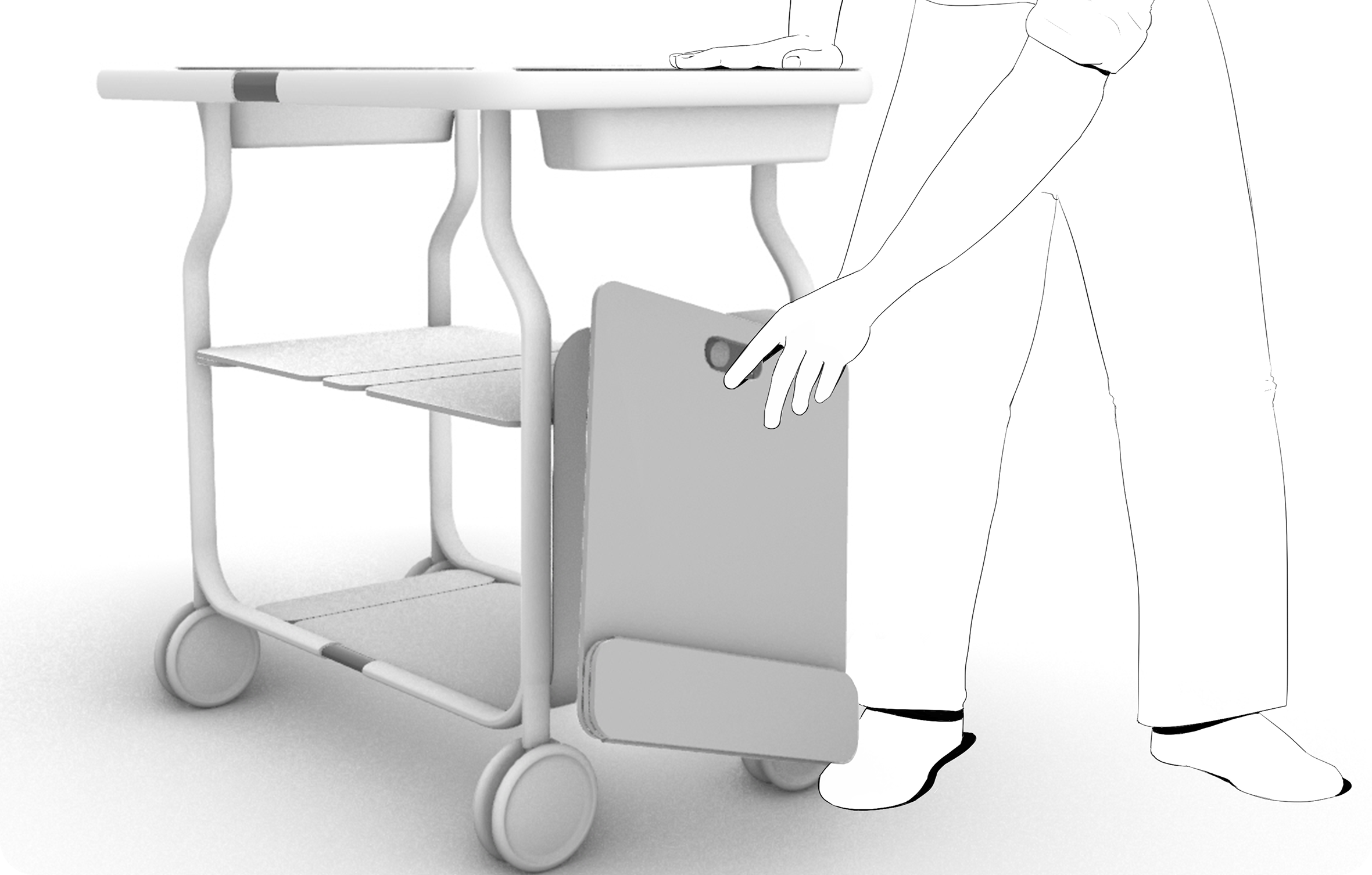
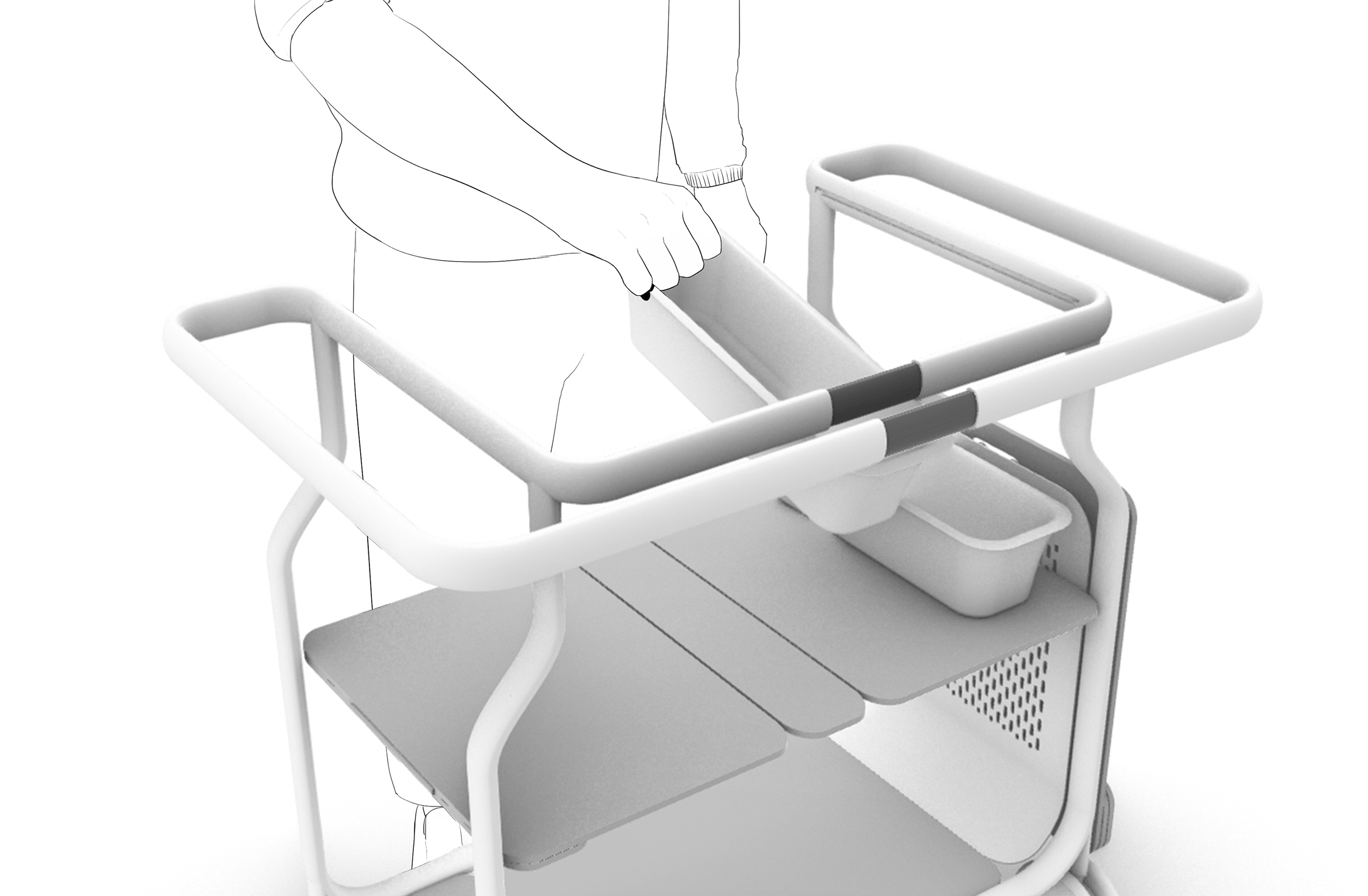
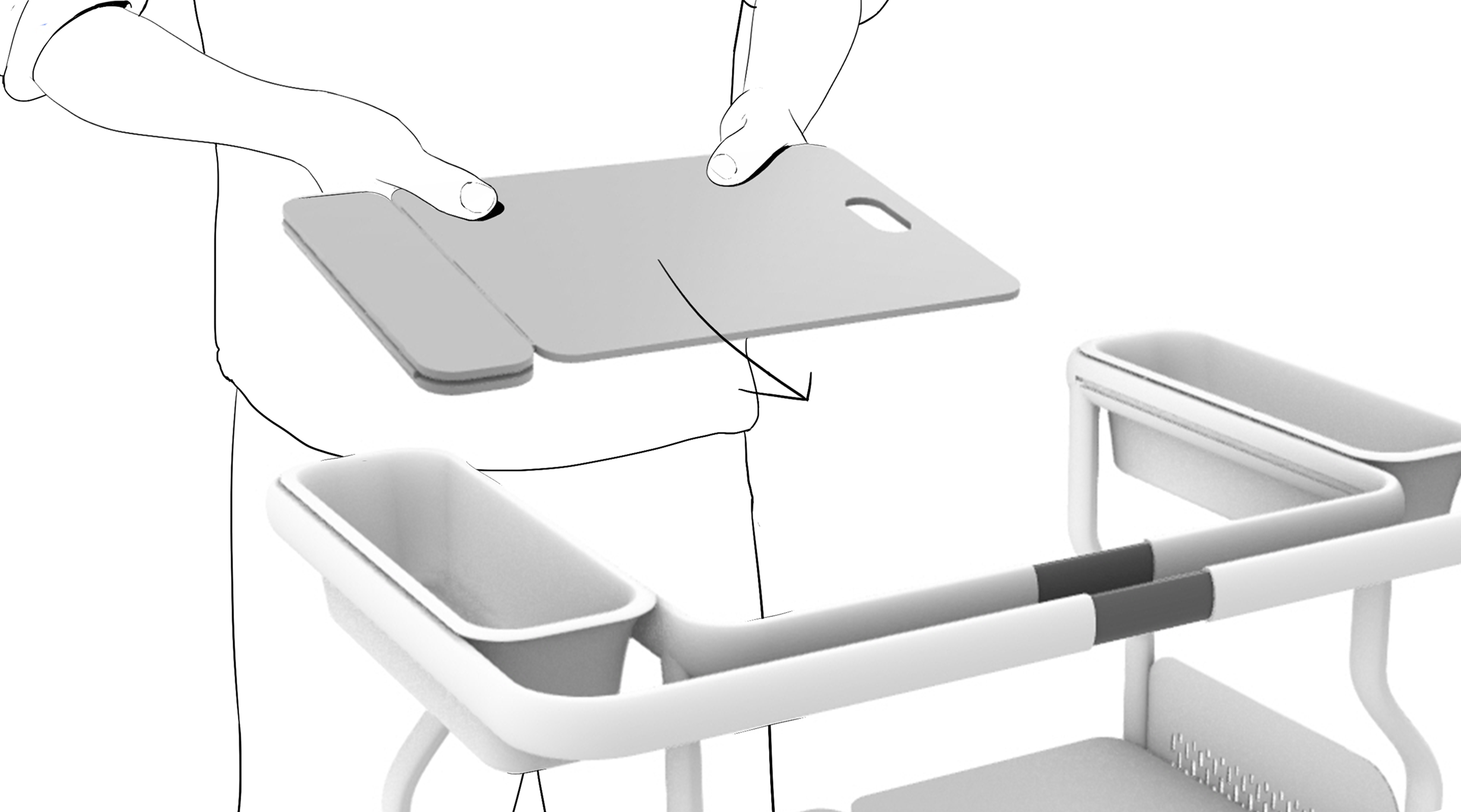
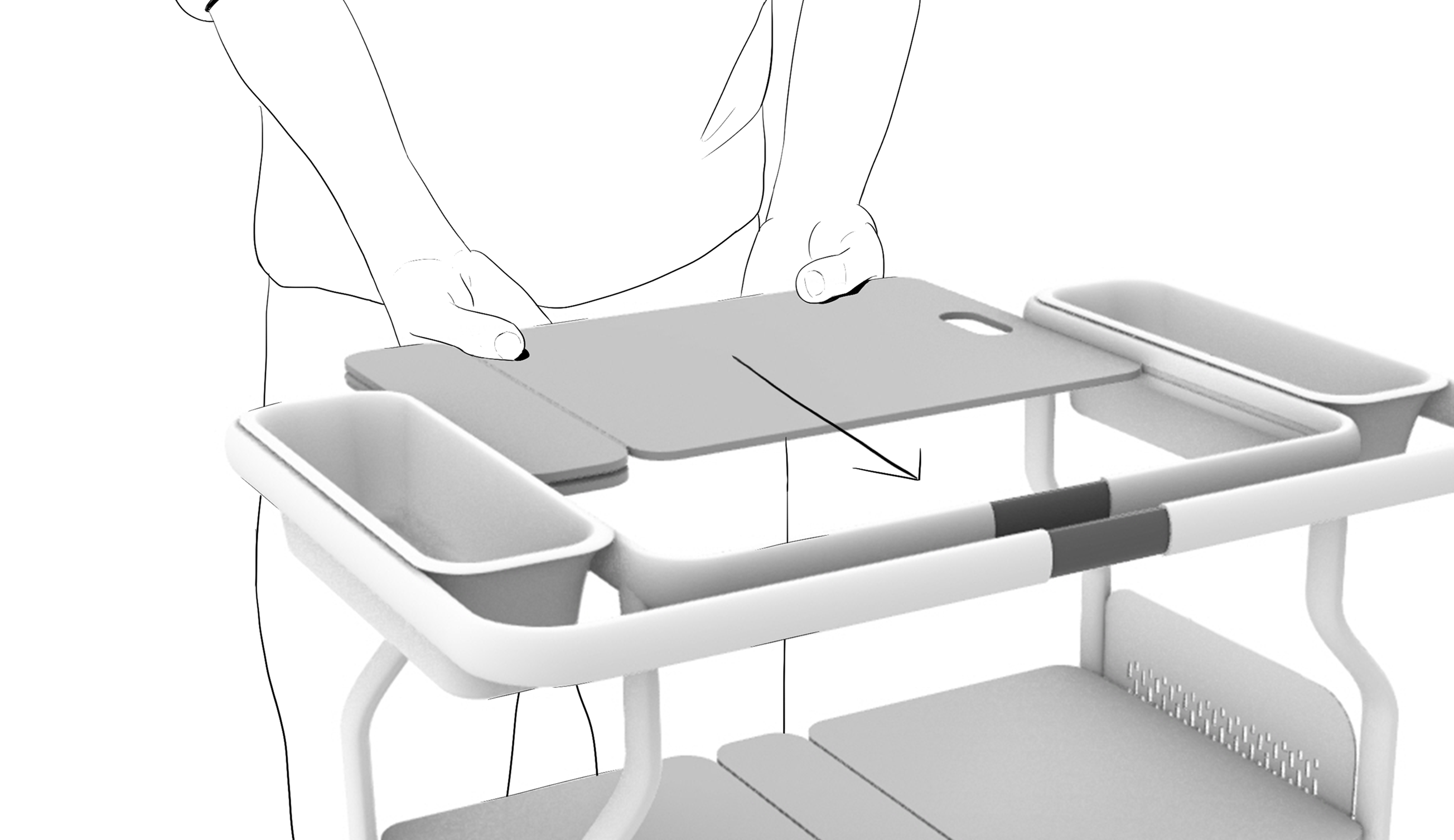
model by Bryce Lim, Sketch by Victor Lefebvre
In order to best meet the needs of our users, we chose a modular approach and developed a concept aimed at offering storage that could be adapted to any sink base and that all users could modify to suit their needs.
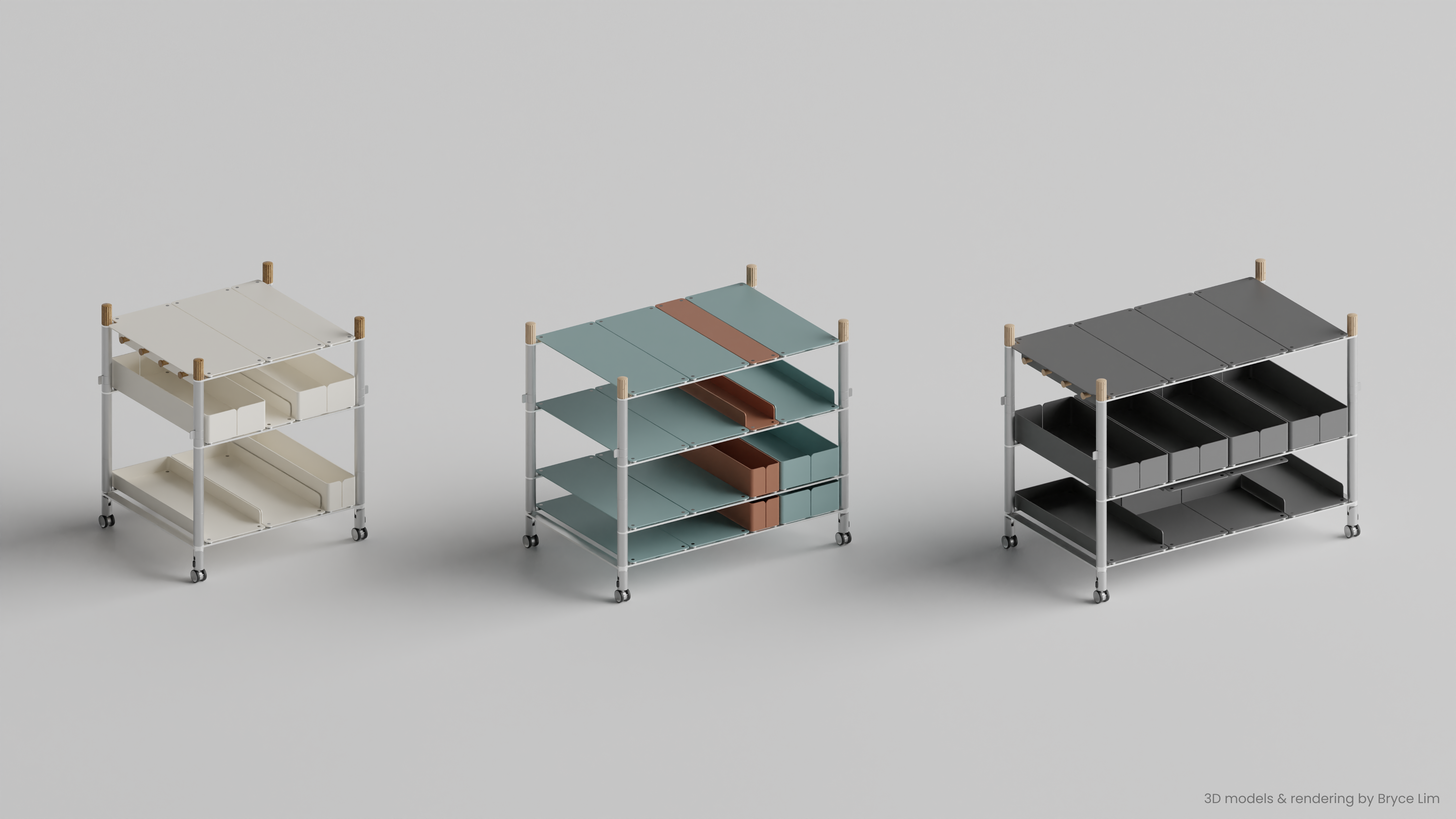
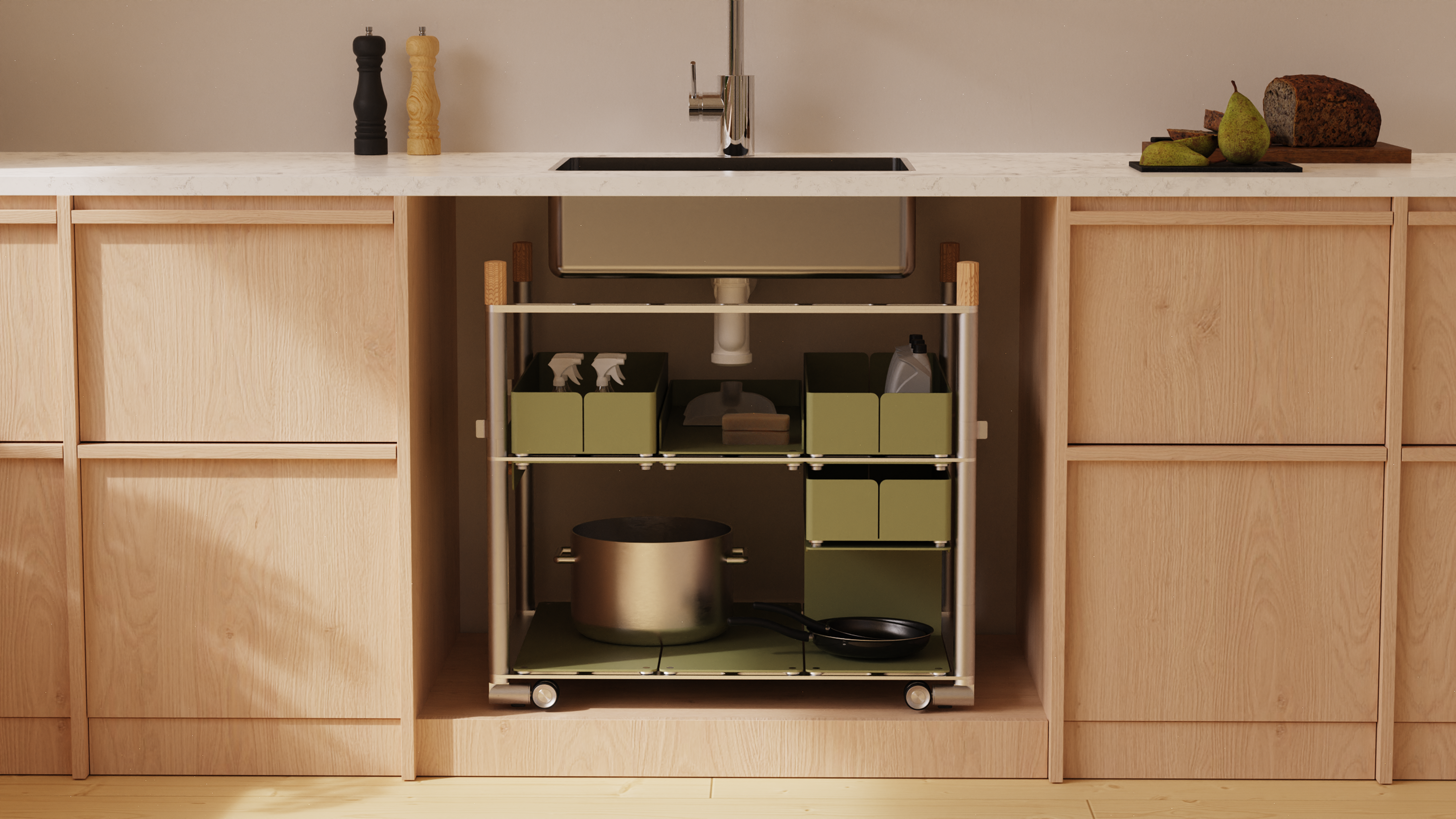
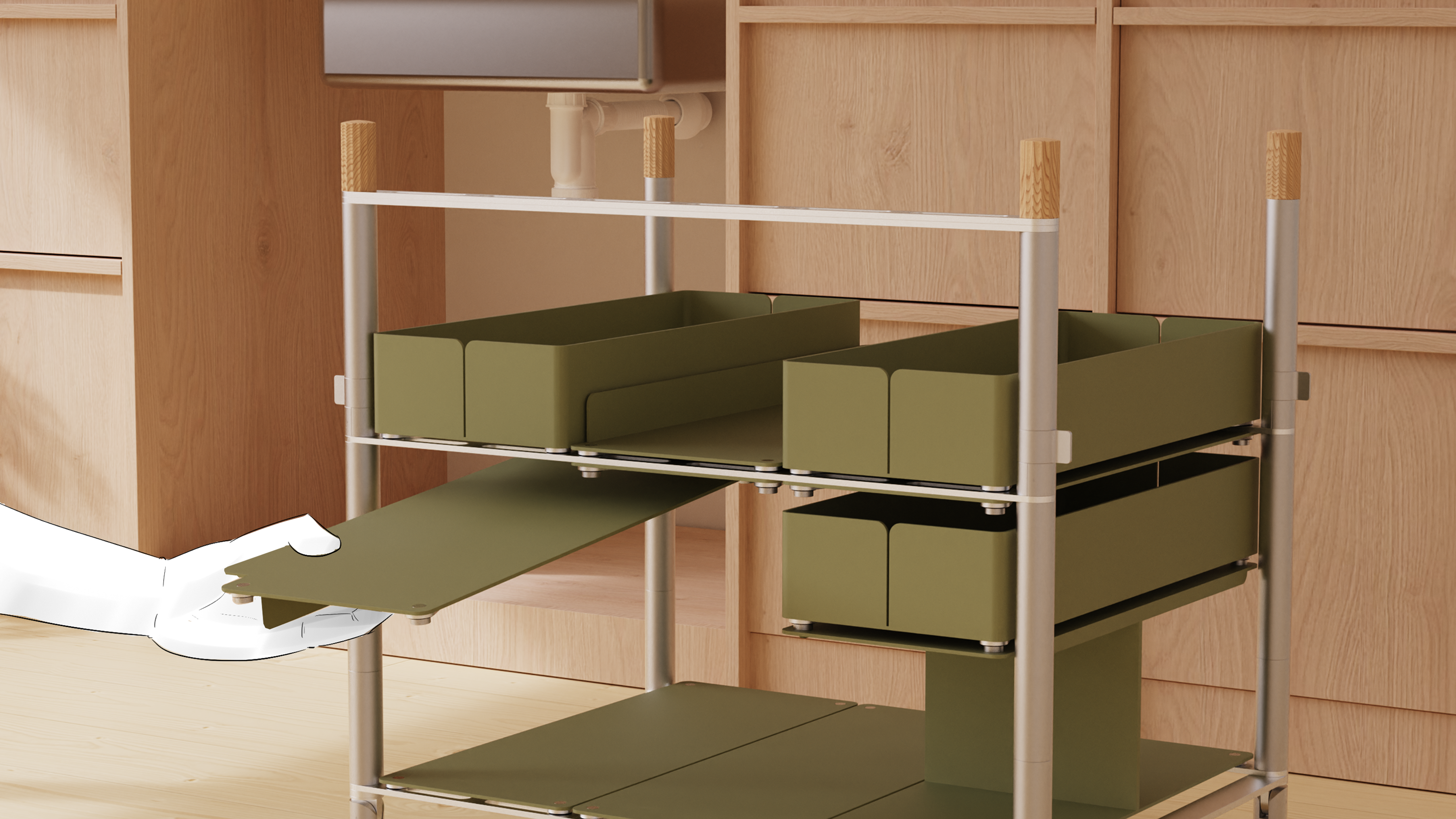
The principle behind our solution is a customizable structure designed to fit under any sink. It comes with various magnetic modules that allow you to customize the structure to suit your specific needs and situation.
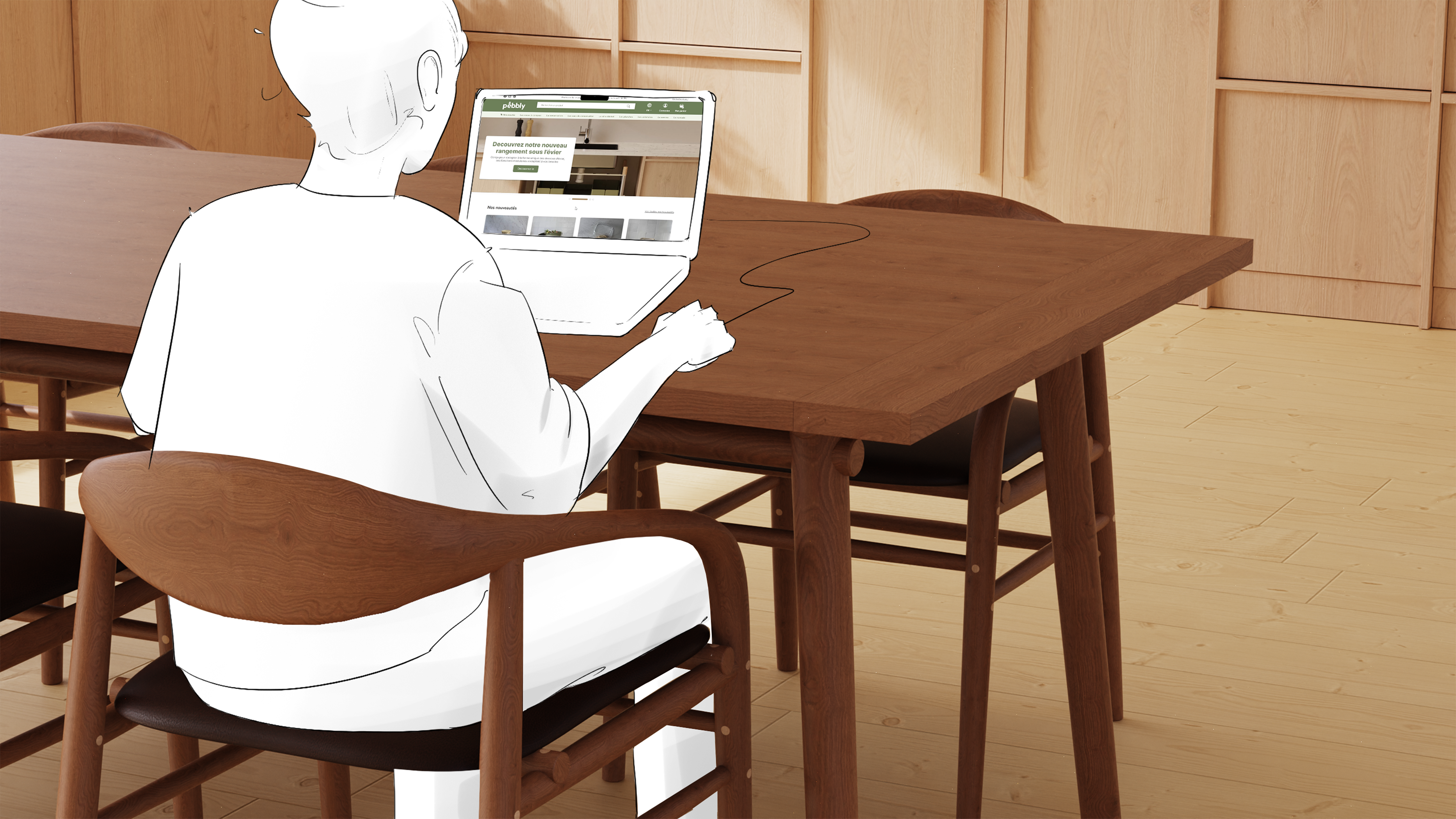
We wanted to develop the user experience as much as possible, which is why, alongside the ideation process, I created a sales website where users could test the solution and order the structure and its modules.
This fully usable Figma prototype simulates the user journey when purchasing a Verra shopping cart. It uses the variable system in Figma to allow users to click on items and choose different modules and colors to place them wherever they want, simulating the customization of a real sales site.
This project allowed me to establish myself as a UX designer within a product design team, having led the user research. I was also able to experiment with many new methods through workshops with my team and/or users.
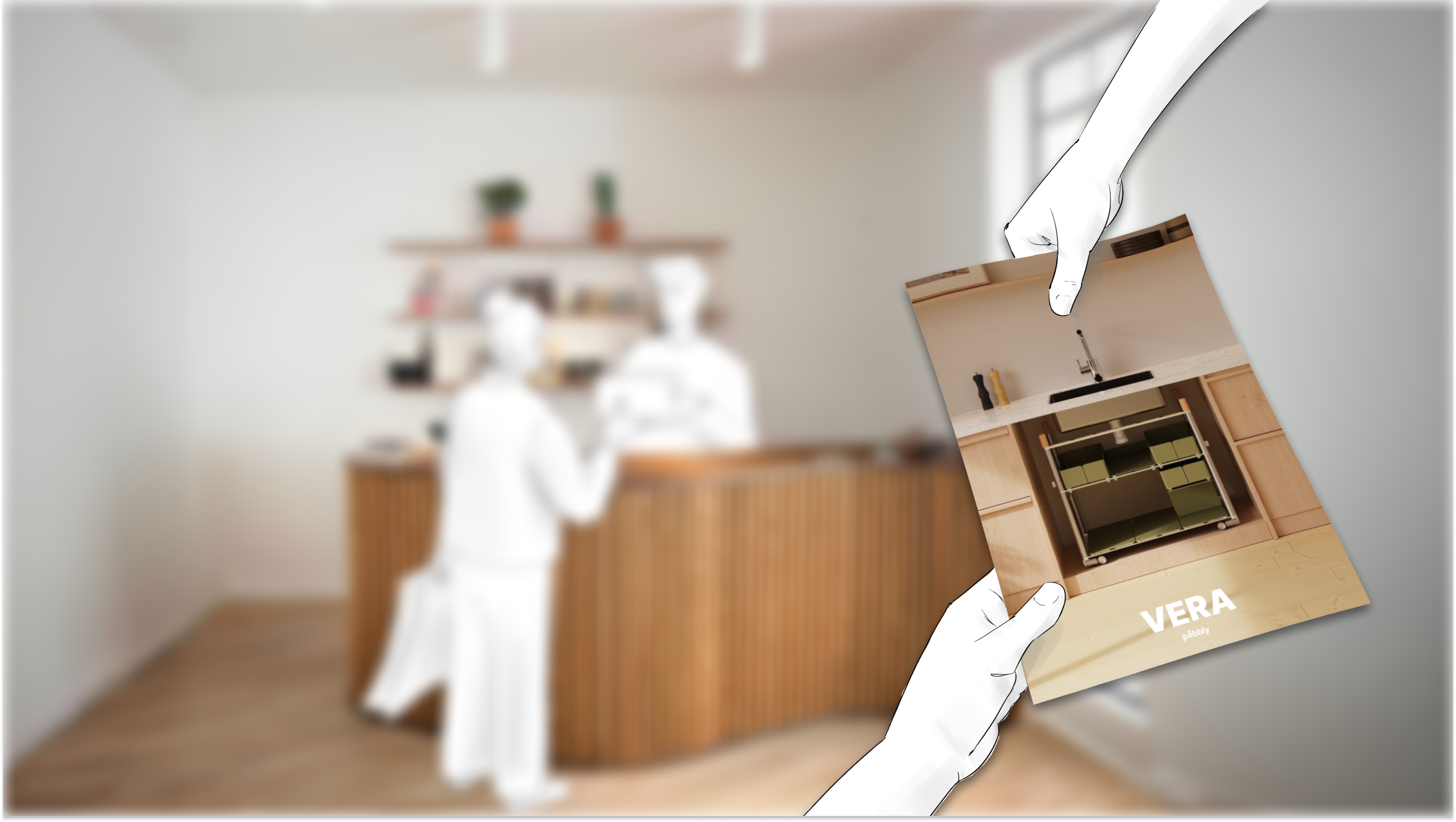
It was also the first time I had worked so closely with a marketing team, which required compromising with them and justifying our risk-taking on products that Pebbly is not used to producing.
Finally, this project allowed me to push myself on Figma by testing variables on Figma and using a company's design system.
After discussions with Pebbly, we finally agreed that Verra would not be developed. However, I would like to reuse the site structure to create a template published on the Figma community, providing the community with a customizable tool for grid-based customization products.